 |
|
|
|
|
|
|
|
|
|
|
|
|
|
|
|
|
|
|
|
|
|
|
|
|
|
|
|
|
|
|
|
|
|
|
|
|
|
|
|
|
|
|
|
|
|
|
|
|
|
|
|
|
|
|
|
|
|
|
Mission Aviation Fellowship (MAF) "Vision Trip" to
Ecuador, June 2008 - page 2 |
|
|
|
 |
|
|
|
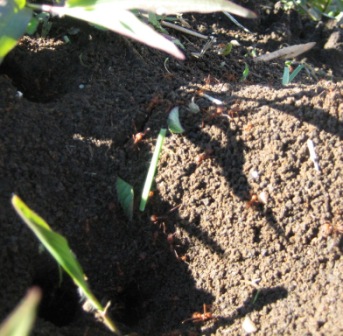
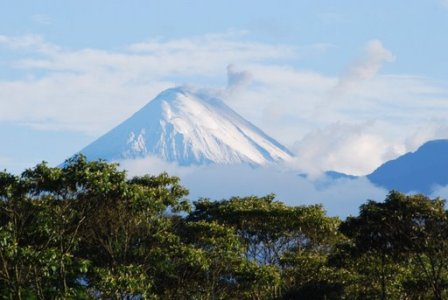
Outside the Nate Saint house, ants chewed down the grass and carried it the length of the house to their ant-mountain. Day and night, except for in the rain. Meanwhile in the distance a volcano exhaled silently. |
|
|
 |
|
|
|
|
|
|
 |
|
|
|
|
 |
|
|
|
|
|
|
 |
|
|
|
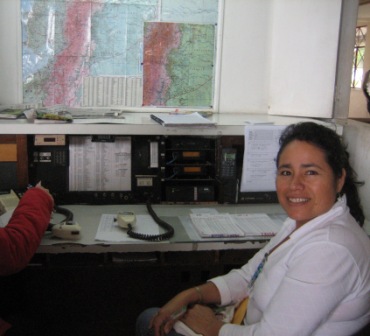
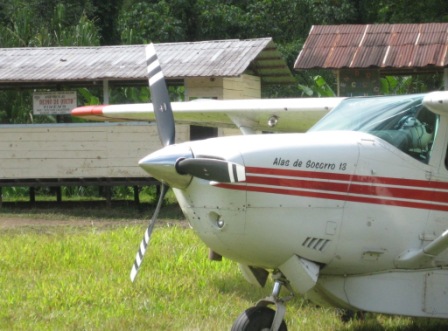
Like the marching ants, all day someone sat monitoring the radios. Each of the nearly 200 jungle stations checked in each morning with a weather report. Of course their weather report was directly related to how badly they wanted an airplane to land there that day.
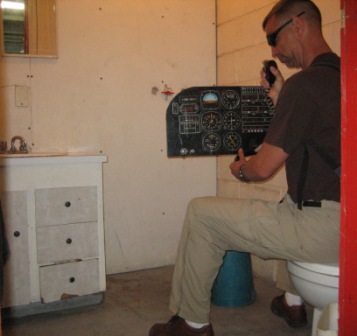
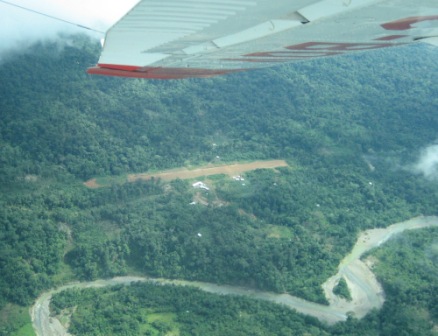
Jungle flying is different from "normal" flying - much more dangerous and stressful. Pilots are so dedicated that rather than just sit on the toilet, they close the door for some "simulator time". |
|
|
|
|
|
|
|
 |
|
 |
|
|
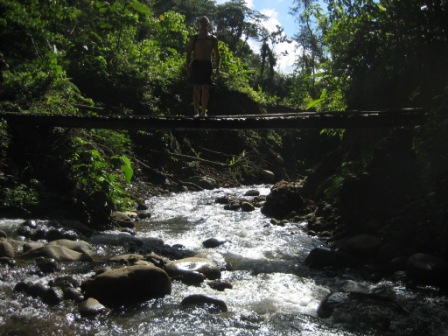
Hidden in the jungle over which we were to fly were spots of beauty and fun - this bridge was just below a water-fall that our trip leader instigated us to swim underneath! |
|
|
|
|
|
|
|
|
|
|
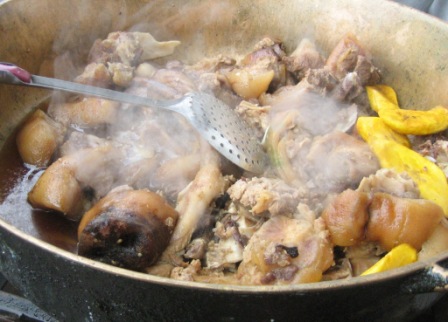
Town, meanwhile, was also full of surprises. This frying pan blocked the sidewalk leading from our cabins in the woods to the MAF hangar a mile away on the other end of town. |
|
|
|
 |
|
 |
|
|
|
|
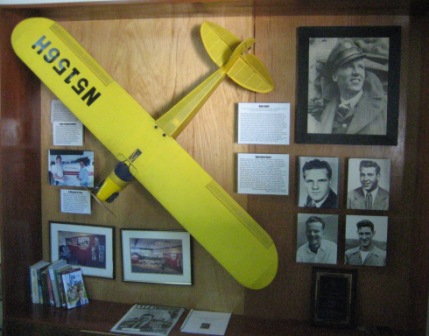
In the mid 1950's Nate Saint dreamed about having a school for the missionary kids living in Shell. Today, the memorial above is on the wall of the library of that school. The right side commemorates Nate and the four young men who died on Palm Beach with him in January 1956. The left side commemorates several pilots killed in a crash more recently. |
|
|
|
|
|
|
I'm not sure what I expected from this trip to Ecuador, but being so close to such a powerful story impacted me deeply. These people moved to a tiny town far from home long before internet and without a reliable mail system. Then they found a tribe of nomads underneath a thick jungle canopy. They figured out how to communicate with these people who spoke an unknown language. They determined to meet these people, famed for their violence, vengeance and murder. Yet after promising interactions, these five young men figured out a time and a way to meet them face to face. |
|
|
|
|
 |
|
|
|
|
|
|
 |
|
|
|
|
|
 |
|
|
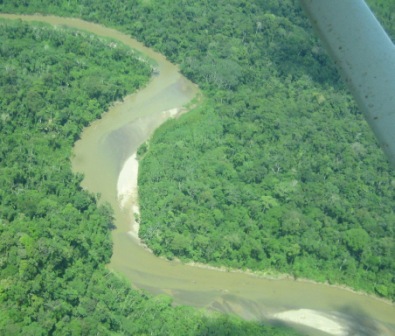
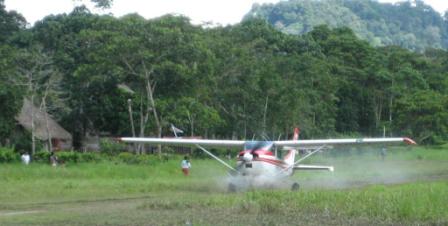
Above is Palm Beach, where Nate and four missionaries landed to meet the Waorani for the first time. They had already decided not to fight back, should these men of the jungle attack. Should they die, they knew they were just going home to Heaven. The Waorani men had no such promise at the time... |
|
|
|
|
|
 |
|
 |
|
|
|
|
|
|
|
|
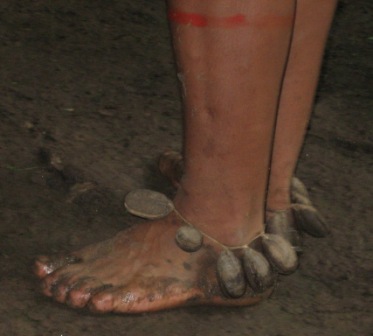
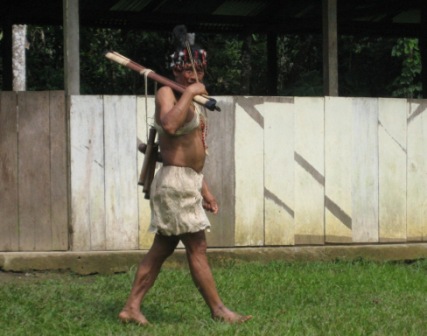
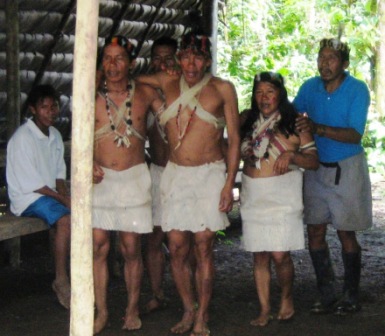
Now, 52 years later, violence has given way to wide smiles of welcome. Someone said the Waorani believe they would have died out, murdered each other into extinction, if they had not met God’s love when they did. Now they love to laugh. Below they dance and chant to welcome us. Our return greeting was not so elaborate |
|
|
|
|
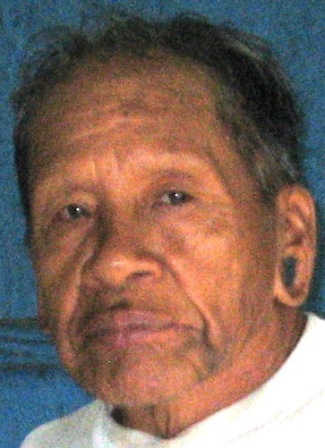
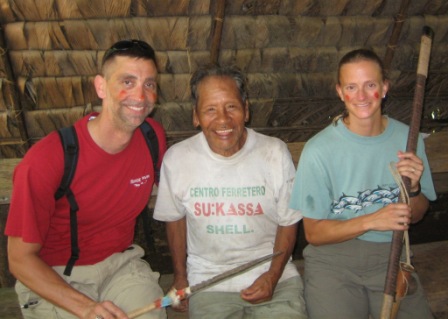
Dewey (above left) was on the beach that day, murdering five missionaries and violently destroying their airplane. Now he's a leader in the Waorani church (above center, behind the man with the blow gun). When he prays, and when he smiles (below), it is blatantly obvious that he truly is a new creation. |
|
|
|
|
|
 |
|
|
|
|
 |
|
|
|
|
|
|
 |
|
|
|
|
 |
|
|
|
|
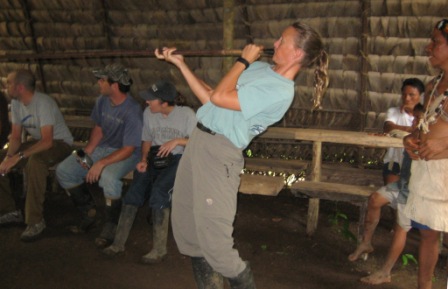
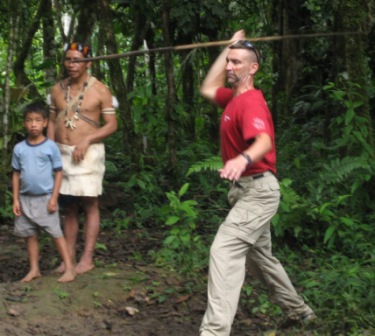
They laughed with us as we tried out their 15+ foot long blow gun. It sags unter its own weight, but the Waorani are still amazingly accurate with it, and with their spears. |
|
|
|
|
|
|
|
We listened to their welcomes through an interpreter from Waorani to Spanish to English (nothing lost there!!). We traded songs and prayers in our native languages. And far to quickly it was time to leave the hospitality and warmth of sister and brothers for the cool distance of "civilization". |
|
|
|
|
|
 |
|
|
|
|
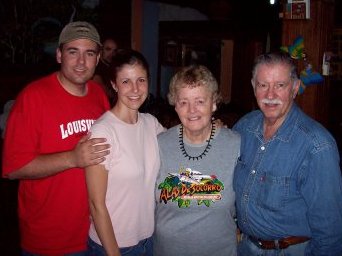
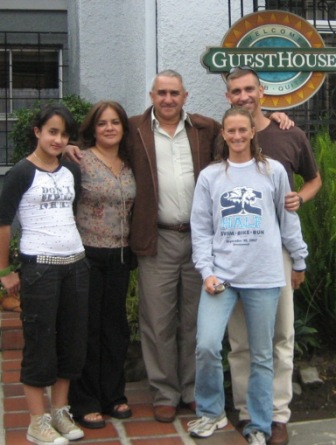
Jean and Byron (below, on the right) spent an evening regaling us with stories of life. Jean's parents lived in the jungle as missionaries. She also lived in Ecuador until she was 16, going to high school in Quito. At the time a trip to Quito took a week's travel by foot and horseback. Now it's a quick flight and a five hour drive. Jean's lived in the States ever since, but there's still a simplicity and joy in her that I've seen in few other people I've ever met.. |
|
|
|
|
|
 |
|
|
|
|
|
|
 |
|
|
|
It's hard to say how Ecuador impacted us, yet it did - powerfully. |
|
|
|
|
|
|
|
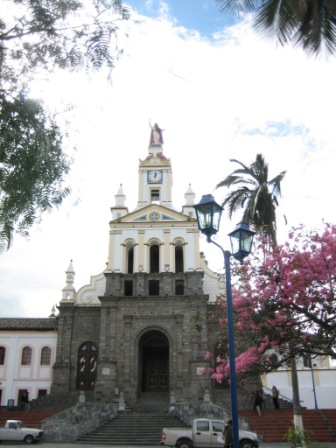
Among our lessons was the reminder yet again, that the "church" is not a building, however beautiful, but people, like Nate Saint, whose single focus and purpose is to let God work in and through them, whatever that takes and however it looks. |
|
|
|
|
|
|
 |
|
|
|
|
|
|
|
|
For Donna's story on Dewey, see her blog. |
|
|
|
|
|
|
|
|
|
 |
|
|
|
|
For more on the story of the Waorani
(spelled many different ways)
- read the book Jungle Pilot
- or read the book or see the movie "End of the Spear"
- or see the documentary "Beyond the Gates of Splendor"
- or visit the website about Nate Saint or another Waorani tribesman Mincai. |
|
|
|
|
|
|